
State Advocacy in Action
Explore how AMTA supports massage therapists across the country through state-specific advocacy efforts.
Wisconsin – Establishment Licensure Proposal
Wisconsin is considering legislation to require establishment licensure for massage therapy businesses:
- This proposal aims to ensure that all massage therapy locations meet consistent health, safety, and professional standards.
- Establishment licensure would help regulatory agencies more effectively monitor compliance and address unlicensed or illicit activity.
We support legislation that protects legitimate practitioners while preventing unnecessary burdens on small, ethical businesses.
California, Minnesota, Kansas, Vermont – Efforts Advancing Full Licensure for Massage Therapists
In California, Minnesota, Kansas, and Vermont, efforts are underway to achieve full licensure for massage therapists rather than voluntary or partial regulation. Full licensure provides stronger professional recognition and public protection by ensuring all practitioners meet uniform education and competency standards.
These efforts align with our long-term goal of establishing consistent licensure across all states. Legislative progress in these states reflects a growing recognition of massage therapy as a regulated health care profession.

California, Minnesota, Kansas, Vermont – Efforts Advancing Full Licensure for Massage Therapists
In California, Minnesota, Kansas, and Vermont, efforts are underway to achieve full licensure for massage therapists rather than voluntary or partial regulation. Full licensure provides stronger professional recognition and public protection by ensuring all practitioners meet uniform education and competency standards.
These efforts align with our long-term goal of establishing consistent licensure across all states. Legislative progress in these states reflects a growing recognition of massage therapy as a regulated health care profession.

Alabama – Transition to a New Licensing Board in 2026
Alabama is preparing for a transition to a new massage therapy licensing board set to take effect in 2026.
- This change is designed to modernize regulatory oversight and improve efficiency in licensing and enforcement processes.
- The new board structure aims to better represent the massage profession and strengthen public protection.
We will continue to monitor the transition to ensure it supports fair regulation and the interests of licensed massage therapists statewide.
Recent Advocacy Wins
Across the country, AMTA and our state chapters continue to champion legislation that strengthens professional standards, enhances public safety, and clarifies the scope of massage therapy practice. The highlights below demonstrate how, through strategic advocacy and collaboration with local leaders, we’re driving meaningful legislative progress that supports massage therapists and the communities they serve.
2025 Advocacy Wins

Utah
House Bill 278 (HB 278) was introduced to amend previous legislation that could have allowed unlicensed practice. The bill also proposed restrictive language for “clinical massage therapy,” threatening to limit opportunities for therapists who specialize in pain management and rehabilitation. AMTA worked with state legislators and partners to remove these provisions. Thanks to these advocacy efforts, the final enrolled bill—passed on March 3, 2025—protects job mobility and upholds the integrity of the massage therapy profession in Utah.
Learn More

Arizona
Senate Bill 1656 (SB 1656) was amended to include a board continuation study group that ensures long-term oversight of the massage therapy profession. The bill also extends the state board’s authorization by two years, preventing disruption of regulatory functions while the study group completes its work. SB 1656 remains under consideration, with the next phase scheduled to reconvene in June 2025. AMTA continues to play an active role to ensure that Arizona’s policies reflect best practices and protect both practitioners and the public.
Learn More

Delaware
Building on its 2024 successes, Delaware passed House Bill 136 (HB 136) to strengthen penalties for unlicensed or illegal massage practice. The bill classifies unauthorized practice as a Class A misdemeanor, carrying potential imprisonment and fines to deter unqualified individuals. It also requires establishments with expired, suspended, or missing licenses to prominently display a placard, ensuring full transparency to the public. These new enforcement measures reinforce Delaware’s commitment to professional accountability and public safety in the massage therapy industry.

Oregon
House Bill 3819 (HB 3819) gives the Board of Massage Therapy enhanced authority to uphold professional and ethical standards. The law permits the board to place visible notices on massage facilities found in violation of board laws or rules, ensuring public awareness of noncompliance. It also increases fines and penalties for offenses, particularly for crimes committed near or within massage establishments and aims to deter unethical practices and promote trust within the community.
2024 Advocacy Wins

Delaware
Delaware made significant strides in elevating massage therapy standards and public protection through the passage of Senate Bill 277 (SB 277) and House Bill 386 (HB 386). SB 277 phases out the Certified Massage Technician (CMT) credential, creating a single, unified tier of licensure that aligns with most other states. HB 386 raises the required entry-level education for massage therapy programs from 500 to 625 hours, ensuring stronger professional preparation.
Alabama
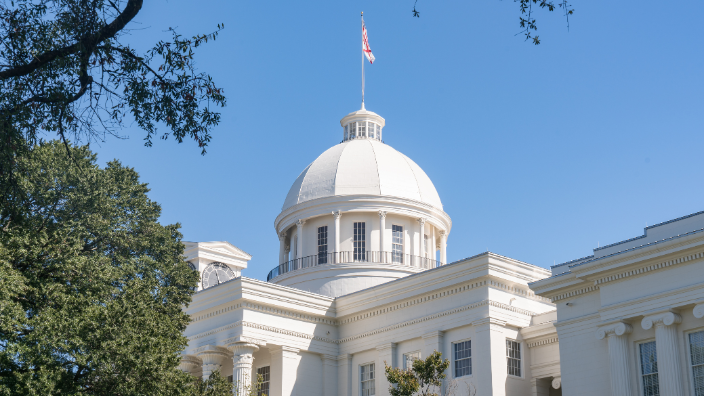
Senate Bill 137 (SB 137) brought a major restructuring to the regulation of massage therapy in Alabama. The bill dissolved the existing Alabama Board of Massage Therapy and established a new Alabama Massage Licensing Board, which now operates under the temporary oversight of the Alabama Board of Nursing. This change introduces more direct legislative oversight and improved accountability, replacing reliance on third-party contracting. The passage of SB 137 created a more transparent and stable foundation for massage regulation.
Learn More
Rhode Island
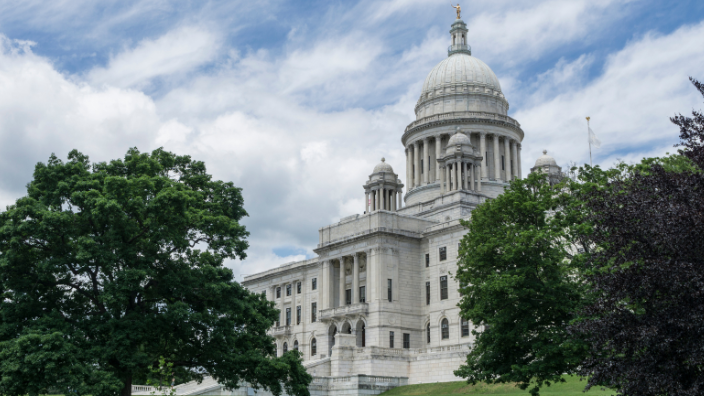
Senate Bill 2625 (SB 2625), which updated the state’s Massage Therapy Practice Act for the first time in years, helping to advance the profession. The bill expanded and clarified the scope of practice to better reflect the clinical and wellness roles of massage therapists today. It also raised entry-level education requirements from 650 to 800 hours, ensuring therapists enter the field with the knowledge and skillset to meet modern client needs. By aligning with national standards, Rhode Island’s updated law strengthens both consumer safety and the credibility of massage therapy as a licensed healthcare profession.