
Health care Advocacy in Action
Discover the health care initiatives our advocacy team is driving forward.
We recognize massage therapists as licensed health care practitioners who collaborate with other providers to improve patient health and well-being. Through advocacy, education, and partnerships, AMTA promotes the integration of massage therapy into mainstream health care. Our initiatives support therapists practicing in clinical settings while respecting that not all practitioners seek a traditional health care role.
Massage Therapy for Veterans and Military Health
We are committed to ensuring that veterans and active-duty service members have access to safe, effective massage therapy as part of comprehensive health care. Through targeted advocacy at the federal level, AMTA works with the U.S. Department of Veterans Affairs, Veterans Service Agencies, and the Department of Defense to expand awareness, integration, and accessibility of massage therapy services within military and veteran health care systems.
Learn more about AMTA’s Award-Winning Massage for Veterans Campaign
Insurance, Medicare and Medicaid Integration
We advocate for broader insurance coverage and reimbursement so more patients can access massage therapy. By collaborating with policymakers, health care providers, and industry leaders, we work to integrate massage into mainstream care and support better patient outcomes.
- Medicare Advantage
- Carolina Complete Health
- Washington State Efforts
- Advocacy and Research regarding Traditional Medicare
- Resources for therapists navigating health care billing and insurance. (MA Webinar, NPI application link, Community Care Provider links)

Insurance, Medicare and Medicaid Integration
We advocate for broader insurance coverage and reimbursement so more patients can access massage therapy. By collaborating with policymakers, health care providers, and industry leaders, we work to integrate massage into mainstream care and support better patient outcomes.
- Medicare Advantage
- Carolina Complete Health
- Washington State Efforts
- Advocacy and Research regarding Traditional Medicare
- Resources for therapists navigating health care billing and insurance. (MA Webinar, NPI application link, Community Care Provider links)

Massage Therapy Research
We believe that research is the foundation of our advocacy efforts and the cornerstone of the profession’s credibility. By supporting and promoting evidence-based studies, we ensure that massage therapy is recognized as a vital component of comprehensive health care.
Rigorous research not only informs public policy and strengthens our legislative initiatives at the federal and state levels, but it also demonstrates the efficacy and value of massage therapy to health care providers, insurers, and the public. Through this commitment, AMTA elevates the profession, empowers practitioners, and ensures that patients have access to safe, effective, and well-supported therapeutic care.
Learn more about AMTA's $2.5 Million Investment in MTF Research
Nonpharmacological Pain Management
AMTA is dedicated to ensuring massage therapy is recognized as a vital component of Complementary Integrative Pain Management (CIPM). Through strategic advocacy at the federal level, we work to include massage therapy in national pain management initiatives, highlighting its role in improving patient outcomes, reducing reliance on opioids, and supporting holistic approaches to wellness.
By engaging with policymakers, health care leaders, and stakeholders, we strive to integrate massage therapy into mainstream health care, ensuring patients have access to safe, effective, and evidence-informed treatment options.

CDC Clinical Guidelines for Prescribing Opioids
Massage therapy fits squarely within the CDC’s preferred approach to pain management by offering a safe, evidence-supported alternative to opioid therapy for acute, subacute, and chronic pain. As a nonpharmacologic treatment, massage can help reduce pain, decrease muscle tension, and improve functional outcomes without the risks associated with opioid use. Its ability to support patient-centered, multimodal care makes it an effective component of comprehensive pain management plans that prioritize nonopioid strategies in alignment with the CDC’s guidelines.

National Institutes of Health (NIH) Research
AMTA continues to advocate for strong federal support of massage therapy research to advance evidence-based practice in the profession. While federal budgets rarely pass as initially proposed, they signal key research priorities that can help guide proposals aligned with NCCIH goals. Because federal research shapes future policy on the value of massage therapy, AMTA consistently pushes for robust NIH funding. In 2025, we submitted a statement to the U.S. Senate Appropriations Subcommittee to express support for continued federal funding of the NCCIH and to oppose the recent proposal to eliminate the Center.

Health and Human Services (HHS) Task Force
The HHS Pain Management Best Practices Task Force Report recognized massage therapy as an effective, nonpharmacologic component of multimodal pain care—particularly for chronic and musculoskeletal pain—and noted its potential to reduce opioid use, reinforcing massage therapists’ role in health care and bolstering AMTA’s advocacy to expand access, increase research funding, and advance recognition of massage as an evidence-based health service.

Establishing Standards of Practice
AMTA is taking the lead in developing National Standards of Practice for massage therapy—an important step toward advancing safety, consistency, and quality across our profession. Once in place, these standards will provide a clear framework for delivering client-centered care that is ethical, informed, and aligned with best practices, no matter where you practice.
Learn more about what the Standards of Practice will do for the profession
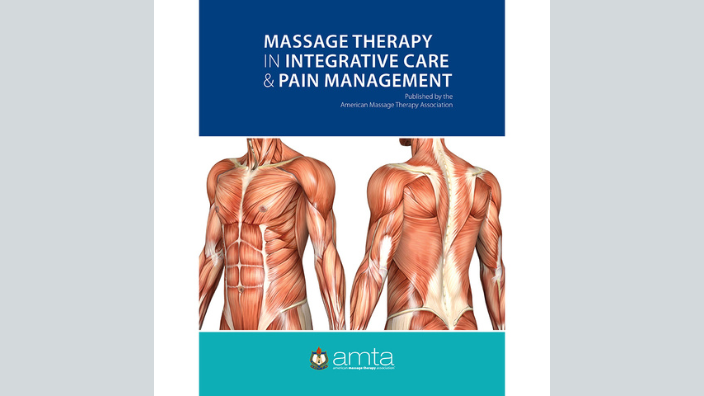
Massage Therapy in Integrative Care & Pain Management Report
As massage therapy's role in integrative health care has become widely accepted in major hospitals and in daily medical practice. A wealth of research has also shown the impact of massage therapy for pain management and relief. To support these conversations, AMTA produced a publication which explores new research demonstrating massage therapy's value and efficacy.