Continuing Education
Pregnancy and Massage
Learn how pregnancy, childbirth, and the postpartum period affect women.
Explore research around the use of massage after pregnancy loss.
by Sarah Fogarty, PhD, August 1, 2026
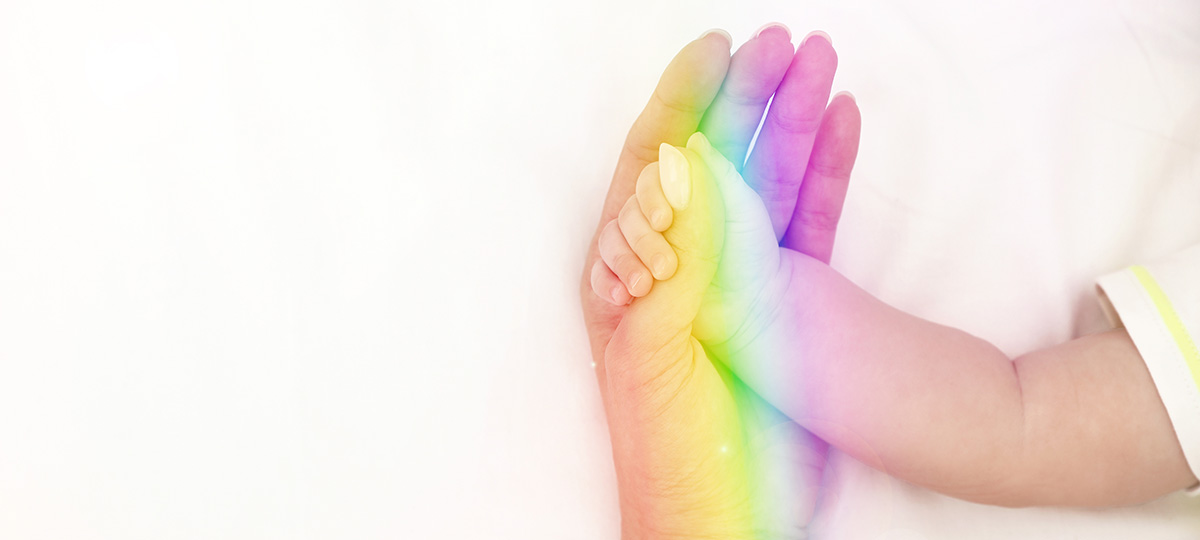
Massage therapists routinely work with clients who present with complex and sometimes unspoken emotional histories that shape how they experience touch, safety and care. In many cases, these histories are not immediately disclosed, yet they influence a client’s comfort, communication and responses during massage.
Pregnancy following a prior loss represents one such context wherein individuals may carry heightened anxiety, grief and hypervigilance into the therapeutic encounter. As a result, massage therapists may knowingly or unknowingly be working with clients navigating profound vulnerability while seeking support through massage. The HOPES study offers an important lens into this clinical reality, examining how massage therapy can be delivered safely and meaningfully in this context.
Pregnancy after a prior pregnancy-related loss is increasingly recognised as a vulnerable period characterised by high levels of anxiety, fear, hypervigilance, stress and emotional distress.1,2 Despite growing awareness of the psychological burden carried by these women, there has been very limited research investigating supportive, trauma-informed interventions that may assist during subsequent pregnancies.
A recent study funded by the Massage Therapy Foundation (MTF) was developed and completed to begin addressing this gap.3 The Helping suppOrt women Pregnant aftEr a loSs with massage (HOPES) study is one of the first massage therapy research programs to specifically investigate massage therapy as a supportive intervention for women pregnant after stillbirth or termination for medical reasons (TFMR).
Supported by an MTF Research Support Award from the 2022 funding cycle, the HOPES study began recruiting its first participants in early 2023 and collected data through mid-2024. To date, three peer-reviewed articles from the HOPES study have been published.
The first was the study protocol paper published in 2024 in Pilot and Feasibility Studies.3 The second was the main feasibility and acceptability outcomes paper published in 2026 in BMC Complementary Medicine and Therapies.4
The third, published in 2026 in the International Journal of Therapeutic Massage and Bodywork,5 explored emotional and environmental safety and side effects associated with massage therapy for women pregnant after loss. Together, these publications provide the rationale, methodology, implementation process, participant experiences and outcomes for this research.
The HOPES trial was designed as a convergent parallel mixed-methods, single-arm repeated measures feasibility study conducted across Australia in private massage therapy clinics.3,4 Participants were pregnant women who had previously experienced stillbirth or TFMR after 20 weeks gestation.3,4
The intervention consisted of up to five individualised 60-minute Swedish massage treatments delivered over a four-month period at intervals chosen collaboratively by the participant and therapist.3,4 Importantly, the protocol emphasised trauma-informed care principles, participant autonomy and flexibility in treatment delivery.3,4
Massage therapists involved in the study completed three hours of specific training to support women pregnant after loss safely and sensitively.4 Primary study outcomes focused on feasibility and acceptability, including recruitment, retention, adherence, participant satisfaction and safety.3,4
Secondary outcomes explored changes in anxiety, worry, stress and self-management, while qualitative interviews were included to better understand women’s lived experiences of receiving massage during pregnancy after loss.3,4
The publication of the feasibility and acceptability findings in 2026 detailed that the study successfully recruited 76 participants from across Australia, with 70 women completing the study, resulting in a relatively low attrition rate.4 Recruitment occurred through social media, stillbirth support organizations, maternity clinics and healthcare providers, demonstrating both the need for supportive interventions and women’s willingness to engage with massage therapy research in this context.4
The feasibility findings showed that massage therapy could be implemented safely and acceptably for women pregnant after loss within real-world private practice settings.4 Participants were able to access treatments flexibly according to their needs, and therapists successfully delivered individualised care while adhering to study protocols.4
Participants indicated that the autonomy to choose appointment session times was particularly important, and some participants purposely scheduled their treatments around difficult and stressful moments, such as pregnancy scans or death anniversaries.4 The study met all predefined feasibility criteria, supporting progression toward larger future trials.4
Qualitative findings highlighted that participants often described massage sessions as providing emotional safety, relaxation, validation, facilitated adapting coping and provided a temporary reprieve from the constant anxiety many experienced during pregnancy.4 Women frequently reported feeling cared for and able to reconnect with their bodies in positive ways after previous traumatic experiences associated with pregnancy and loss.4
The 2026 paper by Fogarty, Heazell, Munk and Hay examined the emotional and environmental safety and side effects associated with massage therapy for women pregnant after stillbirth or TFMR after 20 weeks gestation.
This paper addressed an important aspect of pregnancy after loss care as women who have had a previous pregnancy loss are often cautious about seeking interventions that might be harmful5 and medical healthcare providers may have concerns about massage therapy in a pregnancy after loss.
The study found that emotional safety was a central component of participants’ massage experiences.5 Women described the importance of therapists who were emotionally attuned, flexible, non-judgemental, and respectful of their individual experiences of grief and anxiety.5
Environmental factors such as warm treatment spaces, supportive communication, and opportunities for participant choice and control also contributed significantly to feelings of safety and comfort.5
Participants frequently emphasized the importance of feeling like they belonged and that massage therapists were able to navigate the discomfort around pregnancy loss.5 While 75% of participants experienced one or more side effects, such as post massage soreness, no serious adverse events related to massage were reported.5
Quantitative findings across the HOPES publications suggested promising trends in reductions in anxiety, worry and stress over the course of the intervention, although the studies were not powered to determine efficacy definitively.4 These early findings provide important preliminary evidence supporting further investigation of massage therapy as an adjunct intervention in perinatal mental health and pregnancy after loss care.
Future research directions are hopefully likely to include larger controlled trials, exploration of long-term outcomes and deeper investigation into the impact massage can have to support women pregnant after loss. Additional qualitative work may also further illuminate the embodied experiences of grief, anxiety, well-being and reconnection during subsequent pregnancies.
The HOPES study contributes to the broader development of massage therapy research methodology and demonstrates that complex, multi-site massage research involving vulnerable populations can be conducted successfully within private practice settings.4
Collectively, these studies highlight the impact of connection in massage therapy, showing that when physical, environmental and emotional connection is safe, individualised and trauma-informed, massage can significantly enhance well-being.
Most importantly, the HOPES study has centered the voices and experiences of women navigating one of the most emotionally complex journeys in maternity care, ensuring their perspectives remain at the heart of future developments in massage therapy research and practice.
1. Gower S, Luddington J, Khosa D, Thaivalappil A, Papadopoulos A. "Subsequent pregnancy after stillbirth: a qualitative narrative analysis of Canadian families’ experiences." BMC Pregnancy Childbirth. Mar 27 2023;23(1):208.
2. Mills TA, Roberts SA, Camacho E, et al. "Better maternity care pathways in pregnancies after stillbirth or neonatal death: a feasibility study." BMC Pregnancy and Childbirth. 2022/08/10 2022;22(1):634.
3. Fogarty S, Heazell AEP, Munk N, Hay P. "Swedish massage as an adjunct approach to Help suppOrt individuals Pregnant after Experiencing a prior Stillbirth (HOPES): a convergent parallel mixed-methods single-arm feasibility trial protocol." Pilot Feasibility Stud. Apr 30 2024;10(1):67.
4. Fogarty S, Heazell AEP, Munk N, Hay P. "Swedish massage as an adjunct approach to Help suppOrt individuals Pregnant after Experiencing a prior Stillbirth (HOPES): feasibility and acceptability findings from a convergent parallel mixed-methods single-arm trial." BMC Complement Med Ther. Jan 8 2026;26(1):45.
5. Fogarty S, Heazell AEP, Munk N, Hay P. "Emotional and Environmental Safety and Side Effects from Massage for Women Pregnant After a Stillbirth or Termination for Medical Reasons After 20 Weeks’ Gestation." Int J Ther Massage Bodywork. Mar 2026;19(1):18-32.